
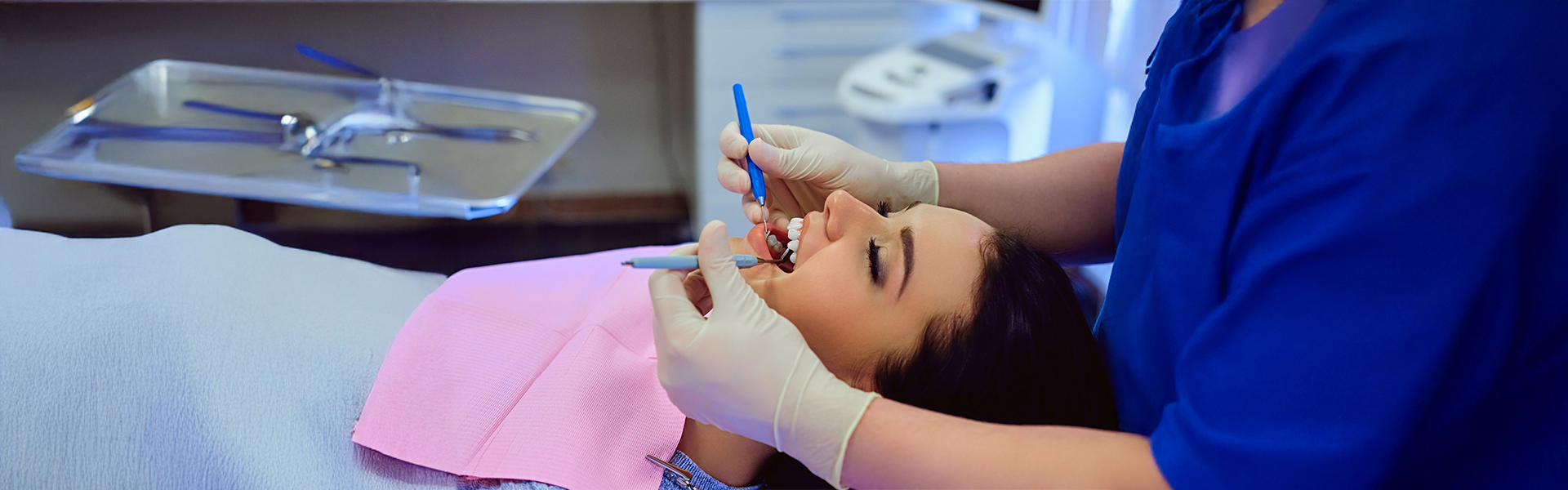
Root Canal Therapy: The Modern Way to Save Your Teeth

Tooth pain can spark instant worry: Will I lose my tooth? Modern dentistry provides hope. With root canal therapy in Chino, CA, patients in the area can stop infection, ease pain, and protect their natural teeth. Instead of facing extraction, this treatment restores health and comfort while keeping your smile whole, strong, and truly your own.

What Is Root Canal Therapy?

Every tooth has a soft center called pulp. It carries blood vessels and nerves that once helped the tooth grow. When decay, cracks, or injury allow bacteria inside, the pulp becomes infected. That’s when pain, swelling, and sometimes an abscess begin.

Root canal treatment steps in here. Your dentist eliminates the damaged pulp, cleans and shapes the space, then seals it so bacteria can’t come back. Many teeth also receive a crown for strength and protection afterward. Once complete, the tooth looks, feels, and works just like before.

  • Infected pulp removed
  • Canals are carefully cleaned and shaped.
  • Tooth sealed against new infection.
  • Crown added for strength when needed.

This isn’t about pulling teeth. It’s about saving them.

Signs You Might Need a Root Canal

Some problems show up loud and clear. Others whisper until it’s almost too late. Paying attention to small signals can save your tooth before things get worse.

Watch for these signs:

  • Pain that won’t fade or comes back often
  • Sensitivity to heat or cold that lingers
  • Swelling or tenderness in the gums
  • A small bump near the tooth
  • A tooth that looks darker than the others

Even a dull ache may mean trouble. A local dentist or a dentist in Chino, CA can examine your tooth, take X-rays, and find the cause. Acting early makes treatment simpler and more comfortable.

Benefits of Root Canal Therapy

The word “root canal” used to spark fear. That picture is outdated. With today’s technology and gentle care, the experience is no worse than getting a filling.

Why patients choose this treatment:

  • Pain relief, often right away
  • Keeping the natural tooth instead of losing it
  • Chewing and speaking stay the same.
  • Stops infection from spreading
  • Confidence knowing your smile is still your own

The biggest advantage? You get to save natural teeth. Bridges and implants are good options when needed, but nothing compares to the tooth you already have.

Why Treat Infection Quickly

A tooth infection isn’t something that waits for a convenient time. Once bacteria reach the pulp, they spread. The infection can move to the gums, bone, or even other parts of the body. That’s why tooth infection treatment matters.

Many patients feel instant relief once the pulp is gone. Pressure fades. Pain stops. It’s like letting out a breath you didn’t realize you were holding.

Endodontic Care: The Focus on Roots

Root canals fall under endodontic care, a specialty focused on the inside of the tooth. Endodontists use advanced tools to see inside narrow canals and make sure every bit of infection is gone.

Not every case requires a specialist, but the knowledge and precision of endodontic treatment add another layer of confidence. It’s about protecting the tooth from the inside out.

Dental Pulp Infection Explained

At the center of most root canals is a dental pulp infection. It often starts with an untreated cavity, a deep crack, or trauma. Once bacteria settle in the pulp, they cause swelling and pressure. Because the pulp is trapped inside hard walls, the pain can build fast.

Here’s the part that surprises many patients: a tooth can live without pulp. Surrounding tissues keep it nourished. But it cannot live with an infection trapped inside. Removing the pulp removes the problem and gives the tooth a second chance.

Life After Root Canal: Care and Recovery

After a root canal, most people are shocked at how fast they recover. For one or two days, you might feel a little sore, but most patients quickly get back to their regular lives. Being aware of normalcy reduces anxiety.

Following treatment, you may observe:

  • When you chew, there is some tenderness.
  • Slight gum enlargement
  • A lighter bite or temporary filling until your crown is installed

Simple ways to help your tooth heal well:

  • Try to not chew hard foods on the treated side until your crown is on
  • Choose softer meals for the first day or two—soups, eggs, or pasta work well.
  • Keep brushing and flossing, but go gently around the treated tooth.
  • Take over-the-counter pain relief if needed, as your dentist suggests
  • Don’t skip your follow-up visit—it’s the last step in protecting the tooth.

For the long run:

  • See your dentist twice a year for cleanings and exams
  • Fix small cavities before they turn into bigger problems.
  • If you grind your teeth, ask about a night guard to prevent cracks.
  • Limit sugar and eat foods that keep enamel strong.

With care, a root canal tooth can last a lifetime. Regular visits to a dentist near you keep all your teeth in good shape and help prevent new problems.

Final Thoughts

Root canal therapy protects more than teeth; it safeguards comfort, health, and confidence. Don’t ignore the signs of infection or pain. Take the first step toward relief and lasting care with Ramona Dentistry of Chino. Call today to schedule your appointment and keep your smile strong, healthy, and truly yours for years to come.

How to Know If You Need a Root Canal? 5 Signs to Watch For

A root canal might sound scary, but it’s a routine dental procedure that can save your natural tooth and bring lasting relief. Acting quickly is key: waiting too long can lead to bigger problems, even tooth loss. Many think root canals are only for extreme pain, but early signs are often subtle. Spotting these early can save you pain and money.

1. Persistent, Throbbing Tooth Pain

Let’s start with the most common warning, persistent, throbbing pain. We all get the occasional toothache, but if you notice pain that just won’t quit, even after popping a painkiller or using a cold compress, pay attention. That type of pain, especially if it wakes you up at night or keeps you from enjoying your day, could mean there’s an infection deep inside your tooth.

Think about these real-life scenarios:

  • The pain lingers for hours after eating or drinking.
  • You feel a deep ache when you put pressure on the tooth, like when chewing steak or even biting down on soft bread.
  • The discomfort doesn’t fade, even when you rest.

When the nerves inside your tooth become infected, the pain doesn’t play by the rules. It comes and goes as it pleases, often growing worse at night or when you lie down. Some people describe it as a dull, relentless ache, while others feel sharp stabs of pain. Either way, your body is telling you to take action, not ignore it.

If you’re searching for help or looking for a tooth pain dentist in Chino is the smart move. Persistent pain is not just uncomfortable; it’s a big red flag that you shouldn’t ignore.

2. Heightened Sensitivity to Hot and Cold

Ever sip on an ice-cold drink or enjoy a hot bowl of soup, only to feel a jolt of pain that lasts long after you’re done eating? Occasional sensitivity isn’t unusual, but when that zinging pain lingers for more than a few seconds—especially in just one tooth—it’s time to take notice.

Here’s what makes it different:

  • The pain hangs around long after the temperature changes.
  • Sensitivity is intense, not just a mild twinge.
  • One specific tooth stands out as the troublemaker.

Why does this happen? The nerves inside your tooth could be inflamed or infected, which means the protective layers aren’t doing their job. This kind of reaction sharp, lingering pain—suggests the pulp inside the tooth is in trouble. It’s not something you can just brush off, or hope will fade away.

If you catch yourself wincing every time you have something hot or cold, consider if these are signs that you need a root canal. Don’t wait for it to get worse.

3. Inflamed or Tender Gums Around the Affected Tooth

Not all root canal problems show up as tooth pain. Sometimes, the first clue is swelling or tenderness in your gums. You might spot a puffy area, redness, or even a small bump that looks like a pimple. This isn’t just annoying—it’s a clear sign your body is fighting an infection.

Pay attention to these signs:

  • Gums that look swollen, tender, or sore to the touch.
  • Small, pus-filled bumps near the affected tooth (these are called abscesses).
  • A bad taste in your mouth that won’t go away, or constant bad breath.

This happens because the infection in your tooth’s pulp can spread to the surrounding gum tissue. It can even cause an abscess, which is your body’s way of draining the infection. That’s a big warning light—don’t try to pop it or treat it at home. Instead, you need a professional to step in and help.

If you notice any of these symptoms, a dentist near you can provide answers and fast relief. Swollen gums are your mouth’s SOS—listen to it.

4. Darkening or Discoloration of the Tooth

Have you ever looked in the mirror and noticed a tooth that seems darker than the rest? Maybe it’s taken on a gray, brown, or even blackish tint. The discoloration is often overlooked, but it’s one of the most telling clues that something is wrong deep inside your tooth.

What causes this?

  • When the tooth’s internal nerves and blood vessels die, they release pigments that discolor it from within.
  • Trauma from a sports injury, accident, or even grinding your teeth can trigger this process, sometimes months or years after the original incident.

You might not see any cracks or chips, but the color change is your tooth’s way of waving a red flag. Unlike a surface stain, this discoloration starts from the inside out, and whitening toothpaste or at-home kits won’t fix it.

If you notice this kind of color change, it’s time to call the experts. Trust your reflection—don’t ignore a tooth that’s gone dark.

5. Loosening of the Tooth or Shifting Bite

Have you ever bitten down and realized your teeth no longer fit together the way they used to? Or maybe you wiggled a tooth, and it moved, even a little. That movement isn’t normal for adults and usually means there’s a problem below the gumline.

Here’s what to look for:

  • A tooth that feels loose or wobbly.
  • Noticing that your bite feels off or that your teeth have shifted positions.
  • Food is getting stuck in new spaces between your teeth.

When the infection spreads from a tooth’s pulp to the surrounding bone, it can eat away at the tissue that keeps your tooth anchored. Even minor movement should set off alarm bells. Don’t wait for the tooth to fall out or become painful. Seek care from a dentist in Chino, CA, right away. Proactive action can save your tooth and prevent further shifting.

Final Thoughts

Caring for your teeth means listening to the signs they give you. If you’re noticing any of these symptoms, don’t hesitate—your health matters. Turn to Ramona Dentistry of Chino for expert care and a comfortable experience with your root canal in Chino, CA. We’re here to help you get back to smiling confidently, every day.


The Advantage of Early Braces Treatment: Why Timing Counts for a Lifetime of Healthy Smiles

It can start with a single tooth slightly out of place. Soon, another shifts, and before long, your child’s smile no longer lines up as it should. You may also notice their confidence beginning to fade.

The encouraging news? Early orthodontic care goes far beyond making teeth look straight. It’s a chance to guide healthy growth, prevent more complicated problems later, and give your child benefits that can last well into adulthood.

How Early Orthodontics Shapes Jaw Growth

Children’s jaws are still developing—and that’s a major advantage when correcting alignment. Beginning treatment during these formative years allows braces or other orthodontic tools to direct jaw growth in ways that aren’t possible once the bones have fully matured.

Why starting early matters:

  • Younger bones respond more easily to adjustments.
  • Treatment can enhance bite alignment and facial symmetry.
  • Early action may lower the risk of needing jaw surgery later.

Take, for example, an underbite or a narrow upper jaw. These can often be corrected in childhood with expanders or partial braces, creating space for adult teeth and bringing the face into better balance.

Extra advantages of early intervention:

  • Reduced time in full braces during the teen years
  • Less discomfort during treatment
  • More predictable and lasting results

At Ramona Dentistry of Chino, we make the most of this crucial growth period—creating space where it’s needed, guiding jaw development, and setting the stage for a healthy, well-aligned smile.

Stopping Severe Alignment Issues Before They Begin

It’s always easier to prevent a problem than to fix it after it’s fully developed—this is the heart of early orthodontics.

When baby teeth fall out too soon, or permanent teeth come in at the wrong angle, surrounding teeth can shift into poor positions. Left uncorrected, this can lead to:

  • Significant crowding
  • Bite misalignment
  • TMJ discomfort or jaw pain
  • Difficulty with chewing or speech

By identifying and correcting these patterns early, you can often prevent your child from facing more extensive—and expensive—treatment later.

You don’t need to wait until every adult tooth has erupted before considering dental braces in Chino, CA. The American Association of Orthodontists actually recommends a first orthodontic assessment by age 7.

Even if braces aren’t needed right away, regular monitoring can ensure that when treatment begins, the process is faster and more effective.

Possible signs your child may need early orthodontic help:

  • Teeth that are overly crowded or widely spaced
  • Trouble biting or chewing
  • Clicking or shifting in the jaw
  • A smile that seems off-balance

Parents often know when something looks or feels different—trust that instinct. An early checkup can confirm whether small concerns could grow into bigger challenges.

Boosting Confidence and Supporting Long-Term Oral Health

Orthodontics isn’t just about improving function—it can also transform how a child feels about themselves. Kids who dislike their smiles may avoid photos, keep quiet in group settings, or feel anxious around peers.

Starting braces early can help change that:

  • They notice their smile improving step by step.
  • They feel empowered about their health.
  • They smile more—because they want to.

Confidence builds from a young age, and a healthy smile can give your child the courage to participate fully in school, sports, and friendships.

Straight teeth are also quite easier to clean, which means:

  • Lower risk of cavities
  • Reduced chance of gum disease
  • Better oral hygiene habits that last into adulthood

So, early braces treatment in Chino isn’t just cosmetic—it’s a way to set the stage for lifelong oral health.

Choosing a Dental Team That Truly Prioritizes Your Child

When you’re searching for a ‘dental clinic near you,’ choose one that genuinely understands kids and creates a friendly, reassuring atmosphere. The right team will be patient, attentive, and mindful of your family’s schedule, your child’s comfort, and the vision you have for their healthy, confident smile.

Key Takeaways

  • Early orthodontic treatment can guide jaw development and create space for incoming adult teeth.
  • Preventing severe misalignment is easier (and less stressful) than fixing it later.
  • Confidence and oral health both benefit from a straight, healthy smile.
  • The esteemed American Association of Orthodontists recommends an initial evaluation by age 7.

If you’re considering dental braces in Chino, CA, we’re here to help. Schedule a consultation with Ramona Dentistry of Chino and let’s create a personalized plan that supports your child’s health, happiness, and smile for years to come.

Click to listen highlighted text!