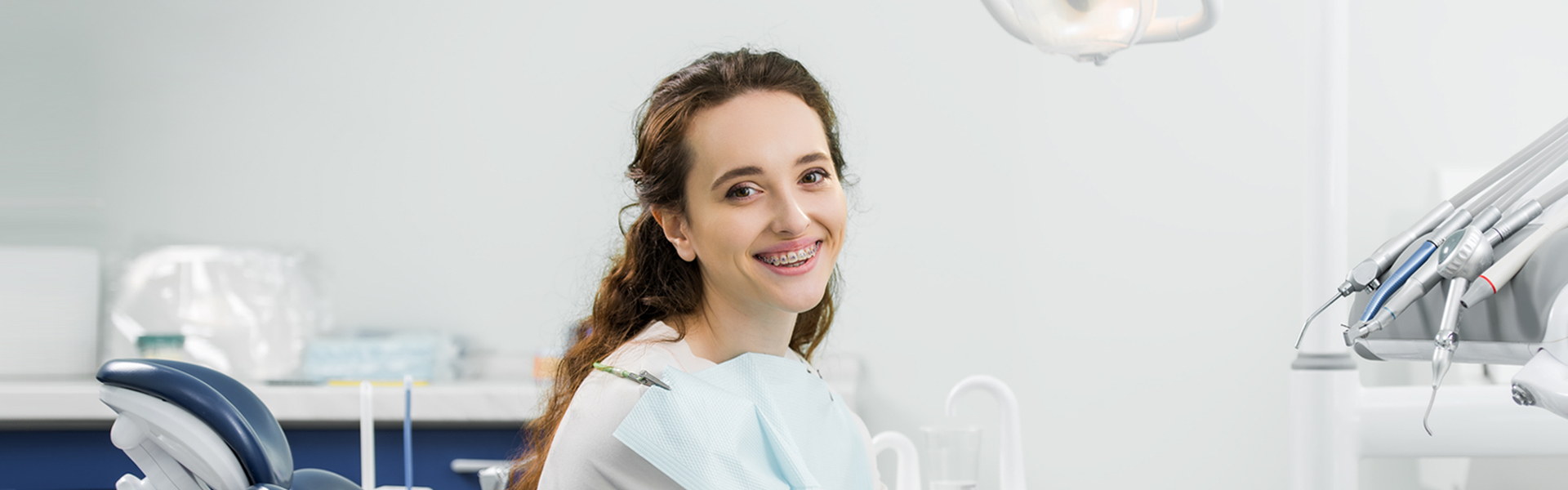
The Advantage of Early Braces Treatment: Why Timing Counts for a Lifetime of Healthy Smiles

It can start with a single tooth slightly out of place. Soon, another shifts, and before long, your child’s smile no longer lines up as it should. You may also notice their confidence beginning to fade.

The encouraging news? Early orthodontic care goes far beyond making teeth look straight. It’s a chance to guide healthy growth, prevent more complicated problems later, and give your child benefits that can last well into adulthood.

How Early Orthodontics Shapes Jaw Growth

Children’s jaws are still developing—and that’s a major advantage when correcting alignment. Beginning treatment during these formative years allows braces or other orthodontic tools to direct jaw growth in ways that aren’t possible once the bones have fully matured.

Why starting early matters:

  • Younger bones respond more easily to adjustments.
  • Treatment can enhance bite alignment and facial symmetry.
  • Early action may lower the risk of needing jaw surgery later.

Take, for example, an underbite or a narrow upper jaw. These can often be corrected in childhood with expanders or partial braces, creating space for adult teeth and bringing the face into better balance.

Extra advantages of early intervention:

  • Reduced time in full braces during the teen years
  • Less discomfort during treatment
  • More predictable and lasting results

At Ramona Dentistry of Chino, we make the most of this crucial growth period—creating space where it’s needed, guiding jaw development, and setting the stage for a healthy, well-aligned smile.

Stopping Severe Alignment Issues Before They Begin

It’s always easier to prevent a problem than to fix it after it’s fully developed—this is the heart of early orthodontics.

When baby teeth fall out too soon, or permanent teeth come in at the wrong angle, surrounding teeth can shift into poor positions. Left uncorrected, this can lead to:

  • Significant crowding
  • Bite misalignment
  • TMJ discomfort or jaw pain
  • Difficulty with chewing or speech

By identifying and correcting these patterns early, you can often prevent your child from facing more extensive—and expensive—treatment later.

You don’t need to wait until every adult tooth has erupted before considering dental braces in Chino, CA. The American Association of Orthodontists actually recommends a first orthodontic assessment by age 7.

Even if braces aren’t needed right away, regular monitoring can ensure that when treatment begins, the process is faster and more effective.

Possible signs your child may need early orthodontic help:

  • Teeth that are overly crowded or widely spaced
  • Trouble biting or chewing
  • Clicking or shifting in the jaw
  • A smile that seems off-balance

Parents often know when something looks or feels different—trust that instinct. An early checkup can confirm whether small concerns could grow into bigger challenges.

Boosting Confidence and Supporting Long-Term Oral Health

Orthodontics isn’t just about improving function—it can also transform how a child feels about themselves. Kids who dislike their smiles may avoid photos, keep quiet in group settings, or feel anxious around peers.

Starting braces early can help change that:

  • They notice their smile improving step by step.
  • They feel empowered about their health.
  • They smile more—because they want to.

Confidence builds from a young age, and a healthy smile can give your child the courage to participate fully in school, sports, and friendships.

Straight teeth are also quite easier to clean, which means:

  • Lower risk of cavities
  • Reduced chance of gum disease
  • Better oral hygiene habits that last into adulthood

So, early braces treatment in Chino isn’t just cosmetic—it’s a way to set the stage for lifelong oral health.

Choosing a Dental Team That Truly Prioritizes Your Child

When you’re searching for a ‘dental clinic near you,’ choose one that genuinely understands kids and creates a friendly, reassuring atmosphere. The right team will be patient, attentive, and mindful of your family’s schedule, your child’s comfort, and the vision you have for their healthy, confident smile.

Key Takeaways

  • Early orthodontic treatment can guide jaw development and create space for incoming adult teeth.
  • Preventing severe misalignment is easier (and less stressful) than fixing it later.
  • Confidence and oral health both benefit from a straight, healthy smile.
  • The esteemed American Association of Orthodontists recommends an initial evaluation by age 7.

If you’re considering dental braces in Chino, CA, we’re here to help. Schedule a consultation with Ramona Dentistry of Chino and let’s create a personalized plan that supports your child’s health, happiness, and smile for years to come.

Can a Custom Mouth Guard Reduce Snoring? Ask Your Dentist

Snoring doesn’t just disrupt your sleep—it steals rest from your partner, too. It’s loud, constant, and often caused by blocked airways or poor sleep posture. If snoring keeps you or someone you love awake, a custom mouth guard could be a simple fix. If snoring is keeping you up at night, it might be time to speak with your dentist about custom solutions.

What Causes Snoring in the First Place?

Snoring is more than just noise. It’s your body telling you something’s off. During your sleep, the muscles in your throat relax. Sometimes, this narrows or blocks your airway. As you breathe, the tissues vibrate, causing that all-too-familiar sound.

A few common culprits:

  • Obesity: More weight around your neck can squeeze the airway.
  • Alcohol: Relaxes muscles too much, making airway collapse more likely.
  • Nasal Congestion: Blocked nasal passages force mouth breathing.
  • Sleep Position: Back-sleeping lets the tongue fall back into the throat.
  • Sleep Apnea: This condition results in repeated breathing interruptions during sleep.

If snoring is occasional, it might not be a big deal. But if it’s nightly, loud, or paired with gasping, daytime fatigue, or dry mouth, you need to dig deeper.

The Role of a Custom Mouth Guard in Snoring Reduction

Here’s where it gets interesting. A custom mouth guard, also called a mandibular advancement device, helps by holding your lower jaw slightly forward while you sleep. This keeps your airway open and reduces vibrations in the soft tissues.

Why is custom better?

  • Perfect fit: Made from impressions of your teeth and bite.
  • Lasts longer: High-quality materials, fitted by a professional.
  • Comfort: No sharp edges or bulk that makes you gag.
  • Better results: More effective at keeping airways open.

An over-the-counter option may seem cheaper, but it often doesn’t work well. Worse, it can cause jaw pain or damage your teeth. If you’re searching for custom mouth guards near you in Chino, your best bet is to ask a local dental provider who specializes in snoring solutions.

Who Can Benefit Most From a Custom Mouth Guard?

Not everyone who snores needs a device. But for many, it can change their sleep and life.

You’re a good candidate if you:

  • Snore regularly and loudly
  • Have mild to moderate sleep apnea
  • Feel tired even after a full night’s rest
  • Wake up having a dry mouth or sore jaw
  • Struggle with CPAP machines

If you’re seeing a trusted dentist in 91710, remember—they can help with more than just cavities. They may also have real solutions for snoring and better sleep. Dentists trained in sleep dentistry understand how to help you breathe better at night.

It starts with awareness. Maybe your partner complains about your snoring, or maybe you’ve noticed you’re waking up more tired than usual. Either way, a dental evaluation is a smart next step.

What Exactly to Expect When Getting a Custom Mouth Guard From Your Dentist

Getting a custom device isn’t complicated, but it does require a few steps. Each one is important for comfort and success.

Step-by-step process:

  1. Initial consultation

Your dentist will ask about your snoring history, sleep habits, and any symptoms like morning headaches or fatigue.

  1. Dental impressions

A mold of your teeth and jaw helps create the right shape and size for your mouth guard.

  1. Fitting and adjustment

Once the device is ready, your trusted dentist will test the fit. They may make small tweaks for comfort.

  1. Follow-up

After a few weeks, you’ll return for a check-in to ensure it’s working and not causing jaw pain.

Many patients say they didn’t realize how poorly they’d been sleeping until they started waking up refreshed. When properly fitted, a mouth guard works silently in the background—no wires, no noise, just easier breathing.

Other Lifestyle and Sleep Modifications That Complement Mouth Guard Use

Mouth guards work well, but you can boost their effects with small lifestyle shifts.

Try these changes:

  • Sleep on your side: It keeps your tongue from falling back.
  • Skip alcohol before bed: Avoid drinking 2–3 hours before sleeping.
  • Lose a little weight: Even 5–10 pounds can ease airway pressure.
  • Clear nasal congestion: Use a saline spray or Breathe Right strips.
  • Maintain good sleep hygiene: Same bedtime, quiet room, no screens before sleep.

Track your progress with a journal or sleep app. You might not notice small changes, but your partner probably will. Some even report less grinding, which improves overall oral health too.

The key is consistency. A mouth guard can do a lot, but it works the best when paired with smart habits.

Final Thoughts

Snoring shouldn’t be something you just live with. A custom mouth guard might be the simple fix you need for quieter, more restful nights. Talk to your dentist about your options. At Ramona Dentistry of Chino, we’re here to help you sleep better and feel better. Book your consultation today and take the first step toward peaceful nights.

Essential Tips to Prevent Periodontal Disease

Gums are the quiet protectors of your smile, yet they often go unnoticed—until trouble starts. Periodontal disease creeps in without warning, gradually weakening the foundation of your teeth. Bleeding, discomfort, and loose teeth can follow. But it doesn’t have to reach that point. Here’s how you can take smart, early steps to keep your gums strong and healthy.

Understand What Periodontal Disease Is

Periodontal disease starts with plaque. Plaque builds when food, saliva, and bacteria mix. If not removed, it hardens into tartar. This irritates your gums. Over time, the tissue pulls away from the teeth, forming pockets that trap even more bacteria.

There are two main stages:

  • Gingivitis: Early-stage. Gums swell and bleed.
  • Periodontitis: Advanced. Gums recede, teeth loosen.

Most people don’t know they have it until damage begins. That’s why awareness matters. Don’t wait for pain—take action while you still have control.

Practice Excellent Oral Hygiene

Good oral hygiene is the first and best defense. You don’t need a cabinet full of fancy tools—just consistency and care.

Here’s a basic but solid routine:

  • Brush your teeth twice a day. Use a soft-bristle toothbrush.
  • Clean at the gumline. That’s where the bacteria hide.
  • Floss daily to reach between the teeth.
  • Use an antibacterial mouthwash, especially if your dentist suggests it.

You’re not just brushing food away. You’re protecting your gums from a silent threat. Clean teeth, clean gums. The two go hand in hand.

Schedule Regular Dental Checkups and Cleanings

Home care helps, but nothing replaces a professional cleaning. Dentists can spot early signs of trouble before you can.

Why these visits matter:

  • Tartar removal: Only dental tools can get rid of hardened plaque.
  • Gum checks: Your dentist measures pocket depth around each tooth.
  • X-rays: These show bone loss before symptoms appear.
  • Education: You’ll get personalized tips for better care.

Don’t skip these visits. Prevention always costs less than repair. If you’re searching for a dentist near you, start by checking for experience in gum health.

Eat a Gum-Friendly Diet

What you eat doesn’t just affect your waistline. It affects your gums, too. Certain foods help fight inflammation and bacteria.

Try adding these to your plate:

  • Crunchy fruits and veggies: Apples, carrots, and celery are clean as you chew.
  • Leafy greens: Spinach and kale bring vitamins that help heal.
  • Dairy: Cheese and yogurt contain calcium and phosphorus.
  • Green tea: Contains antioxidants that reduce inflammation.

On the flip side, limit sugar. It feeds bacteria. The less fuel they have, the easier they are to control.

Quit Smoking and Avoid Tobacco Products

It is well established that smoking has a detrimental effect on gum health. It restricts blood flow to the gums, impairs healing, and increases the risk of infection.

What tobacco does to your mouth:

  • Weakens immune defenses
  • Masks gum disease symptoms
  • Lowers oxygen in blood, slowing tissue repair

Even worse, smokers often don’t notice signs of gum disease because the usual redness and bleeding stay hidden. If you smoke, quitting is the best gift you can give your gums. A dentist in Chino can help guide you toward safe quitting resources and support.

Manage Underlying Health Conditions

Your gums are part of a bigger system. If something’s wrong elsewhere in your body, it often shows up in your mouth.

Watch out for these:

  • Diabetes: High blood sugar feeds bacteria and weakens your ability to fight infection.
  • Heart disease: Inflammation from gum disease can worsen heart problems.
  • Hormonal changes: Pregnancy, menopause, or birth control can affect gum sensitivity.

If you manage these conditions well, your gums stay healthier, too. Talk openly with your dentist about any medical history. It helps them give you better care.

Monitor Changes in Your Gums

You are most familiar with your own body. If you notice any unusual changes, it is important not to disregard them.

Watch for:

  • Bleeding when brushing
  • Swollen or red gums
  • Bad breath that sticks around
  • Receding gums
  • Teeth feeling loose

These signs aren’t just annoying—they’re red flags. Early action means easier solutions. Don’t wait for pain. Reach out to a provider offering periodontal treatment near you and get answers fast.

Final Thoughts

Your gum health shapes more than just your smile—it supports your overall well-being. Simple habits like brushing, flossing, and regular checkups can keep problems away before they begin. Don’t ignore early signs or skip preventive care. At Ramona Dentistry of Chino, we’re here to guide you every step of the way. Book your visit today and take control of your gum health with confidence.

Click to listen highlighted text!